The foundation that looks beautiful on someone else may feel entirely different on your own face. That is not a failure of technique. Coverage, finish, preparation and personal comfort all affect the experience. Instead of asking which product everyone is buying, start with how you want your makeup to feel during an ordinary day.
Choose the finish before the promise
Describe your preferred result in plain language: sheer and fresh, soft matte, satin, or more coverage in a few specific places. Then choose the format that sounds enjoyable to use. Marketing categories are a starting point, not a guarantee. A glossy finish is not evidence that a product treats dry skin, and “long wear” does not tell you whether you will find the texture comfortable.
If you are prone to breakouts
The AAD recommends looking for makeup labeled oil-free, non-comedogenic or “won’t clog pores” when acne is a concern. It also advises removing makeup before bed, keeping brushes clean and not sharing makeup or applicators. A label cannot guarantee that every person will tolerate a formula. If a product seems to trigger a problem, stop using it and speak with a dermatologist when needed rather than repeatedly covering the same irritation.
If your skin is sensitive
Read ingredient information, especially if you have a known allergy. The FDA notes that “hypoallergenic” has no federal standard or definition for cosmetics; it is not a guarantee of no reaction. Fragrance-sensitive shoppers may prefer fragrance-free products and should examine labels carefully. Bring a list of known triggers when shopping. Store lighting and a beautiful counter can make decision-making feel urgent; neither is a reason to skip the information you need.
Test shade and texture as separate questions
Our practical suggestion is to check a suitable shade in more than one light and look at the transition between face and neck. Use store sampling hygiene guidance rather than applying a shared tester directly to your face. If a sample is available, try it with the moisturizer and sunscreen you actually use. Record how the finish changes through a normal day. A shade match in one photograph and a comfortable day of wear are different tests.
Keep your first experiment small
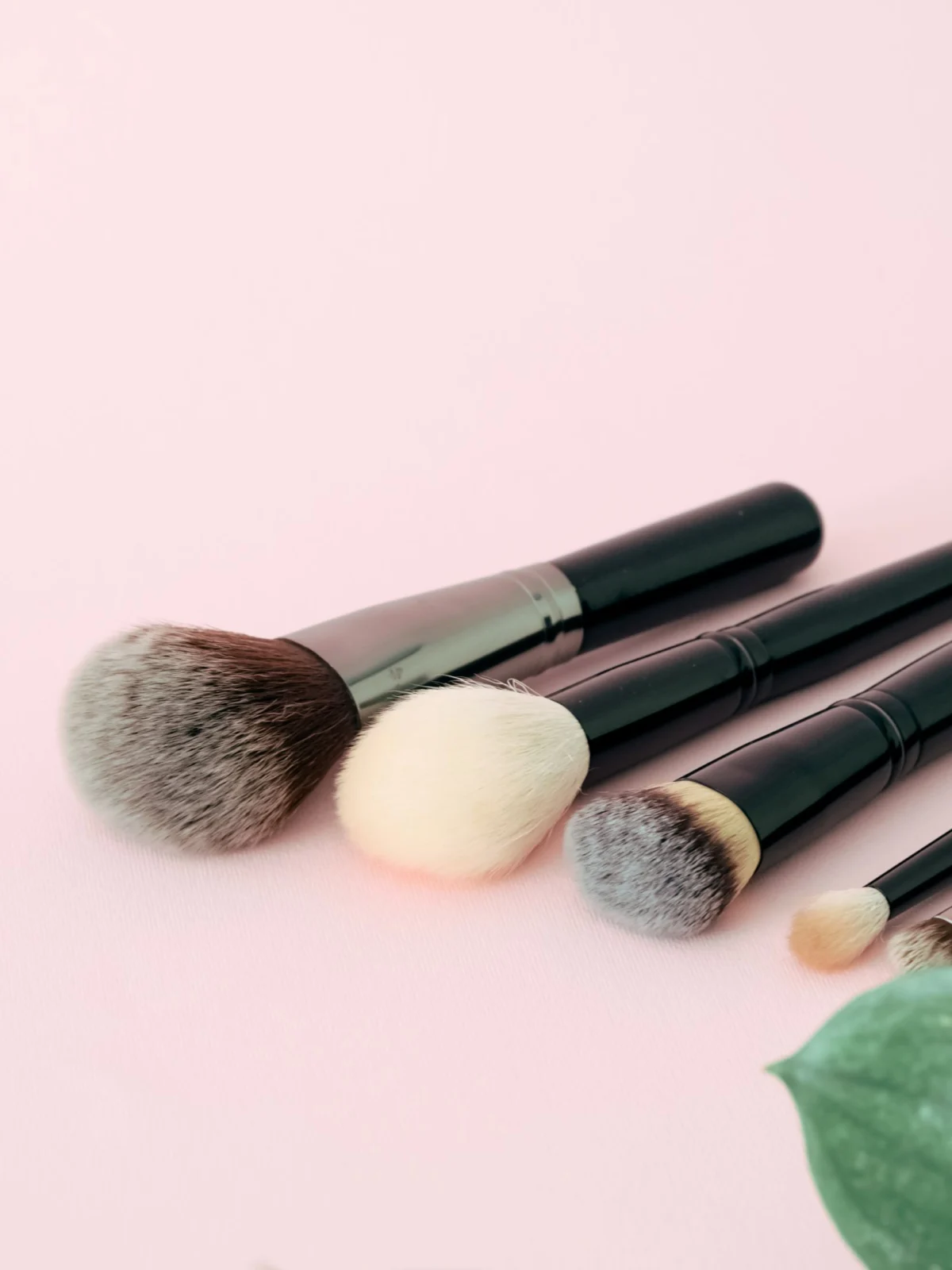
If several new products arrive together, it becomes harder to tell what you like or what is causing a problem. Try one base product first, using a small amount and adding coverage only where wanted. Consider whether you enjoy the application process as well as the final look. A formula that needs tools, preparation or touch-ups you dislike may not be the right everyday purchase, even if the initial finish is lovely.
What an honest review should tell you
A useful review says whether the writer actually wore the product, their skin context, how it was applied, what was compared and what did not work. Product photos alone are not testing evidence. Future Layers of Beauty wear reviews will distinguish personal observations from brand claims and disclose gifted products, sponsorship or affiliate links where relevant. This article is a shopping guide, not a claim that we have tested a particular foundation.
Sources & further reading
AAD: Makeup and acne · FDA: Hypoallergenic cosmetics · FDA: Fragrances in cosmetics
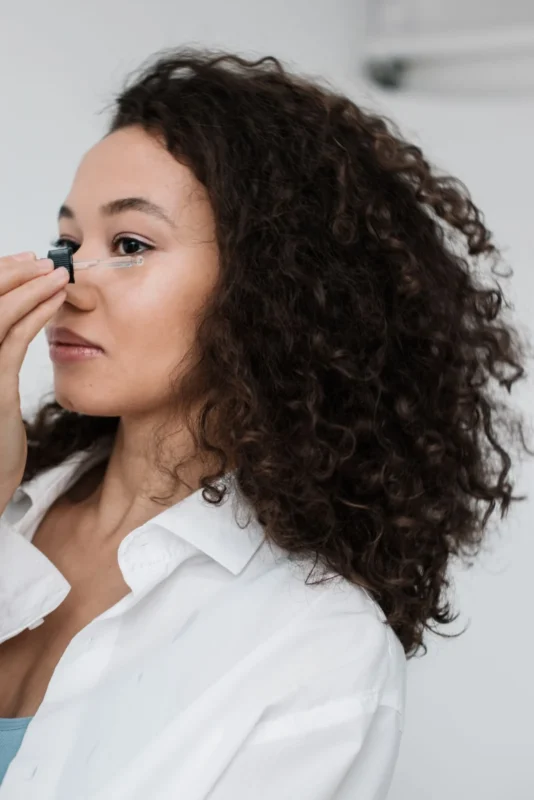
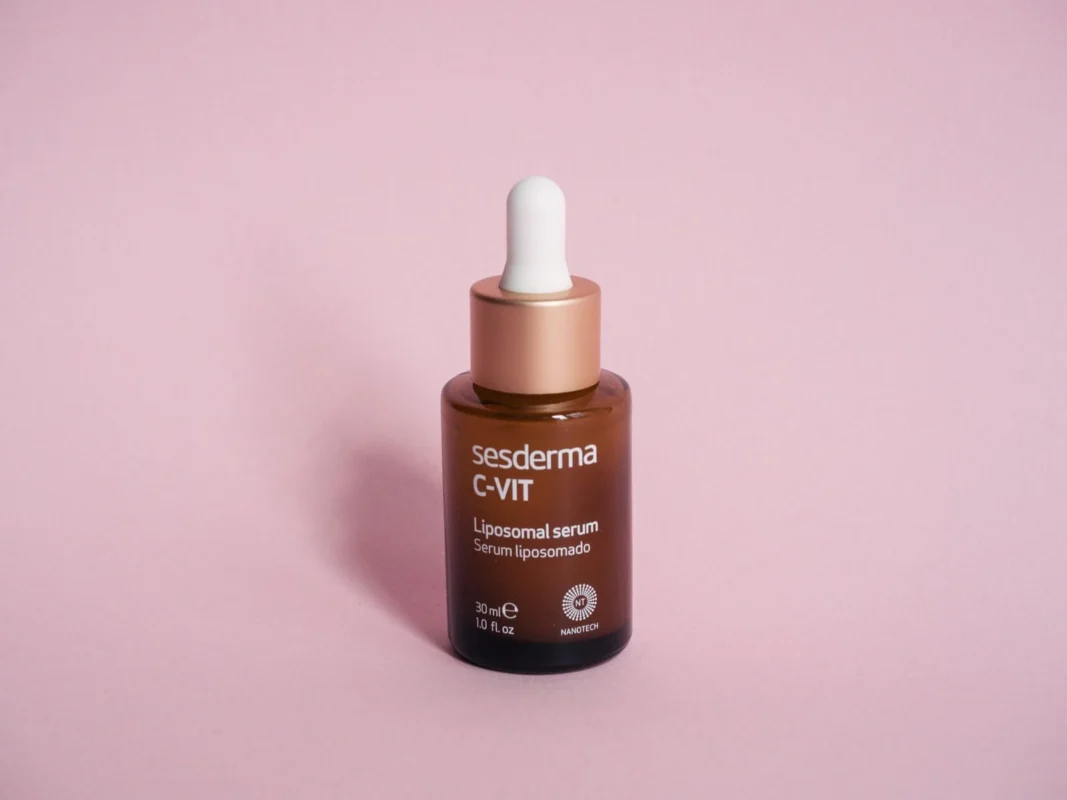
Editorial information, not medical advice. Stock photography illustrates the subject; it is not evidence of product testing or an endorsement. No affiliate links are included in this article.